The clothing manufacturing industry is a dynamic and competitive sector that demands innovative strategies for success. Whether you are a seasoned manufacturer or a new entrant, adopting effective strategies can help you thrive in this challenging environment.
Below are key strategies that can enhance your operations and ensure long-term success in the clothing manufacturing industry from Singapore clothing manufacturer.
1. Embrace Technological Advancements
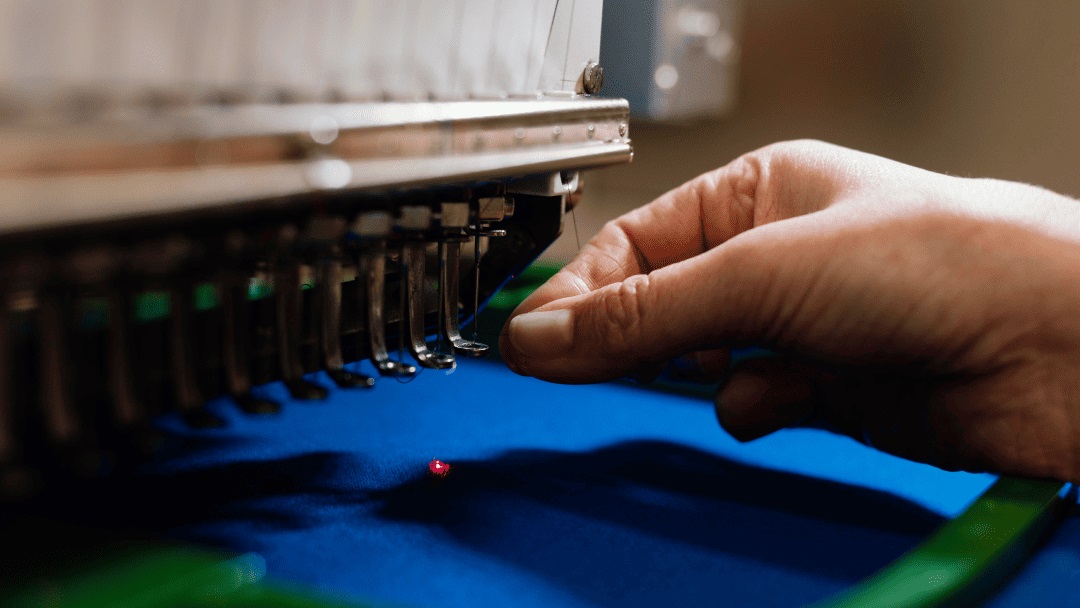
The clothing manufacturing industry is increasingly reliant on technology to improve efficiency and quality. Investing in advanced machinery, such as automated cutting and sewing equipment, can significantly reduce production time and costs.
Adopting digital tools for design and pattern making can streamline the development process and allow for greater customization options. Embracing Industry 4.0 concepts, including the Internet of Things (IoT) and data analytics, can further optimize operations by providing real-time insights into production processes. Read knowledge about clothing manufacturer is a must.
2. Focus on Sustainable Practices
Sustainability is no longer just a trend; it is a necessity in today’s market. Consumers are increasingly conscious of the environmental impact of their purchases, and brands are responding by demanding more sustainable practices from their manufacturers.
Implementing eco-friendly production methods, such as reducing water usage, minimizing waste, and sourcing sustainable materials, can enhance your brand’s reputation and attract environmentally conscious clients. Additionally, obtaining certifications like Global Organic Textile Standard (GOTS) or OEKO-TEX® can serve as proof of your commitment to sustainability.
3. Diversify Your Product Range
Diversification is a key strategy for mitigating risk and tapping into new markets. By expanding your product range, you can cater to different segments of the market and reduce your dependence on a single product line.
For instance, if your primary focus is on casual wear, consider branching out into activewear or eco-friendly clothing lines. Diversification not only broadens your market reach but also allows you to capitalize on emerging trends and consumer preferences.
Read More Secret Ingredients for Luxury Fashion
4. Strengthen Supply Chain Management
A robust supply chain is essential for ensuring timely delivery and maintaining quality standards. Building strong relationships with suppliers, investing in supply chain management software, and regularly assessing your supply chain performance can help you avoid disruptions and improve efficiency. Additionally, consider nearshoring or reshoring some of your operations to reduce lead times and improve responsiveness to market demands.
5. Invest in Workforce Training and Development
Your workforce is one of your most valuable assets. Investing in training and development programs ensures that your employees are equipped with the latest skills and knowledge to operate advanced machinery and adhere to industry standards.
Providing opportunities for continuous learning not only improves productivity but also boosts employee morale and retention. Furthermore, fostering a culture of innovation within your team can lead to new ideas and approaches that enhance your manufacturing processes.
6. Enhance Customer Relationships
Building strong relationships with your clients is crucial for long-term success. Regular communication, understanding their needs, and providing exceptional customer service can help you stand out in a competitive market. Additionally, offering value-added services, such as design support or flexible production schedules, can strengthen your partnerships and encourage repeat business. In a B2B context, nurturing relationships with brands and retailers through personalized service can lead to more significant contracts and long-term collaborations.
7. Implement Agile Manufacturing
Agile manufacturing allows you to respond quickly to changes in market demand and reduce lead times. This strategy involves adopting flexible production processes that can be easily adjusted to accommodate different order sizes and product types. By implementing agile manufacturing, you can reduce waste, lower inventory costs, and meet customer demands more effectively. This approach is particularly beneficial in an industry where trends and consumer preferences can shift rapidly.
8. Leverage Digital Marketing and E-Commerce
In today’s digital age, having a strong online presence is essential for reaching a broader audience. Leveraging digital marketing strategies, such as social media marketing, content marketing, and search engine optimization (SEO), can help you attract new clients and showcase your expertise.
Additionally, consider establishing an e-commerce platform to sell your products directly to consumers or offer custom manufacturing services online. This not only opens up new revenue streams but also provides valuable data on consumer preferences and behavior.
Success in the clothing manufacturing industry requires a combination of innovation, agility, and a customer-centric approach. By embracing technological advancements, focusing on sustainability, diversifying your product range, and strengthening supply chain management, you can position your business for growth and profitability.
Investing in workforce development, enhancing customer relationships, and leveraging digital marketing further ensures that you stay competitive in an ever-evolving market. Adopting these strategies will enable you to navigate the challenges of the industry and achieve long-term success.

Priyo Harjiyono, S.Pd, M.Kom, Gr adalah seorang guru SMK yang mengajar sejak 2010, saat ini selain mengajar juga menjadi seorang blogger di berbagai website pribadi, menjadi SEO Specialist di Perusahaan crypto internasional, pernah mengajar sebagai asisten dosen di UNY, sering menjadi narasumber bidang digital marketing UMKM
Related Posts:





Ingin produk/website Anda kami ulas? Silahkan klik tombol dibawah ini